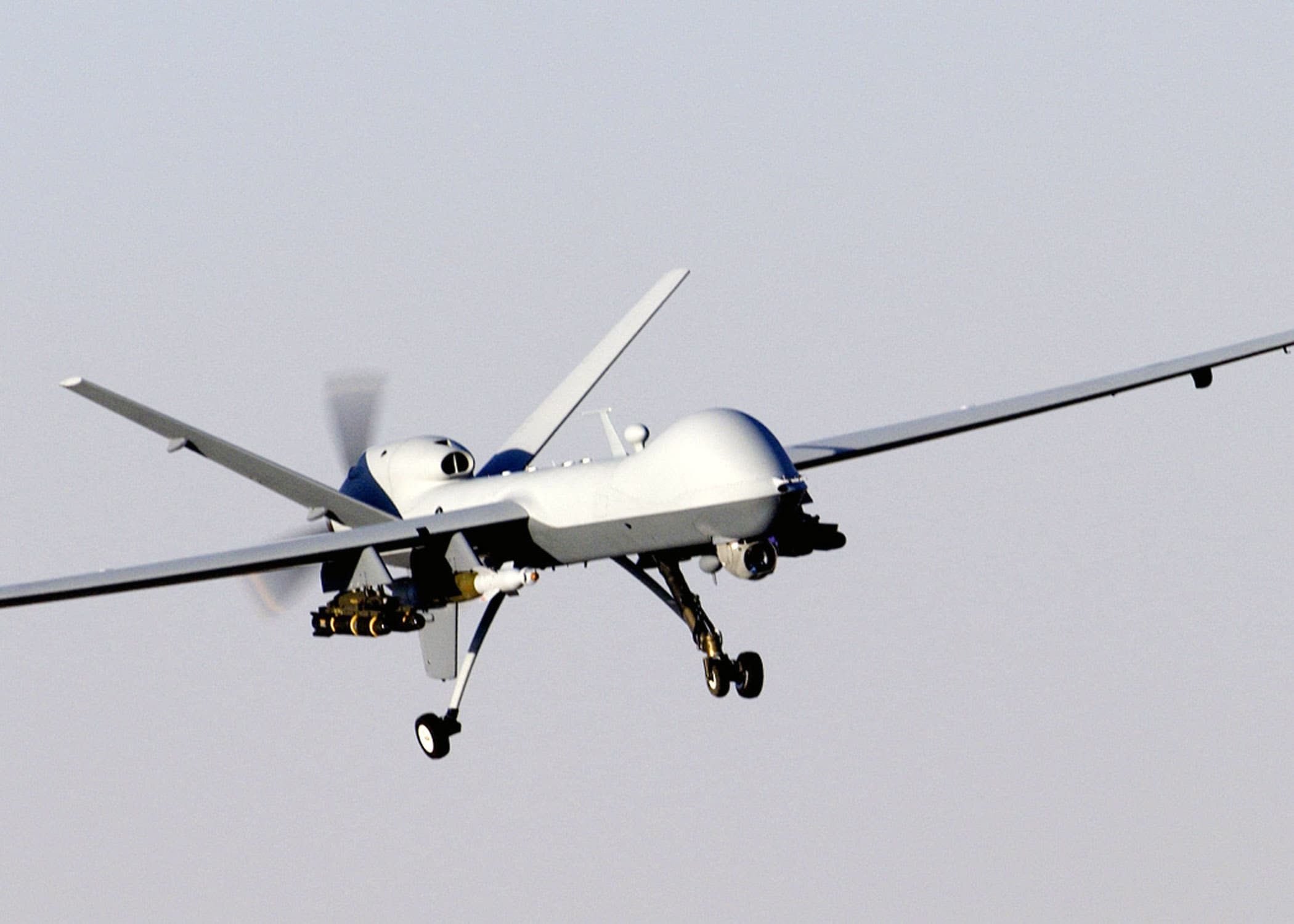
A small drone flies toward a military target in Iran. Thousands of miles away, an operator watches the feed from a control room, adjusting the flight path in real time.
This drone is different from anything that came before it. Bolted to its back is a Starlink terminal — SpaceX's satellite internet receiver. Because it's connected through Starlink's constellation, Iran's cyber defense systems can't jam it. Can't intercept the signal. Can't stop the mission.
The drone completes its objective.
Operation Epic Fury marked the first time the United States deployed Starlink-connected drones in combat. In a few short hours, the technology that most people associate with rural internet service proved it could do something far more consequential.
It changed modern warfare.
The Infrastructure Nobody Can Replace
The military application is dramatic. But it's only one front.
When Russia destroyed Ukraine's telecommunications grid in the early days of the invasion, the country lost the ability to communicate. Starlink replaced Ukraine's entire internet infrastructure — overnight.

When hurricanes wiped out cell service across the American Southeast, FEMA didn't call AT&T or Verizon. They called SpaceX.
And now, Starlink has achieved something that was considered technically impossible just five years ago: direct-to-cell connectivity. No dish. No terminal. No hardware at all. Just a signal from a satellite in orbit to the phone in your pocket.
“Starlink now accounts for roughly 65% of every active satellite in orbit — more than every other operator from every country combined.”
That's not a projection. It's a fact.
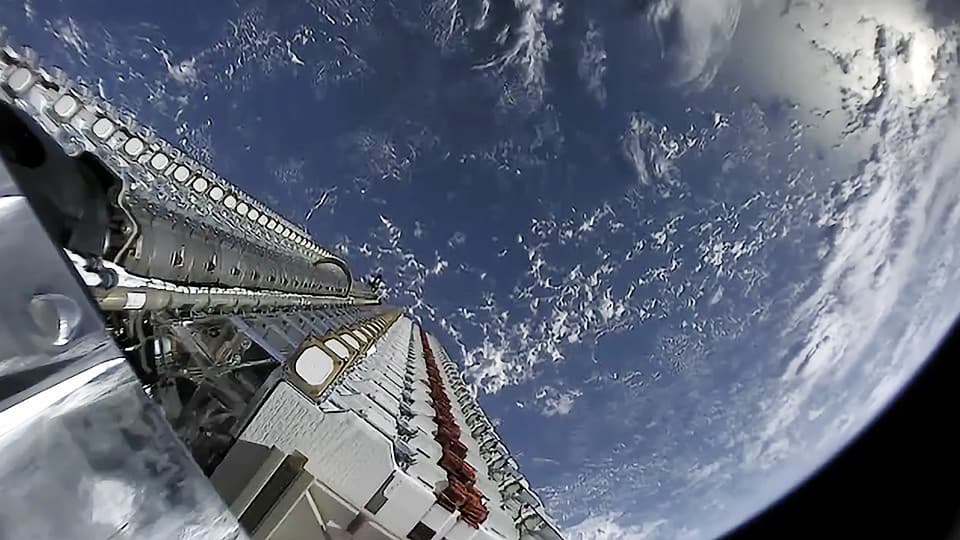
SpaceX owns the sky. Literally.
The Military AI Contract Nobody's Pricing In
Operation Epic Fury proved what Starlink can do in combat. But the larger story is what's happening in Washington.
The U.S. government is deciding which artificial intelligence vendor will serve as the nerve center of American military intelligence. The candidates include OpenAI, Google, and SpaceX — through its frontier AI model, Grok, developed by the xAI division that merged with SpaceX earlier this year at a combined valuation of $1.25 trillion.
In 2026 alone, the U.S. government allocated $13.4 billion specifically to AI applications. To put that in perspective, that figure is nearly double the total profit generated by SpaceX in 2025.
And that's just one year. AI is projected to become one of the fastest-growing line items on the federal budget for the next decade.
If SpaceX becomes the default provider of AI technology to the U.S. military — and the combat debut of Starlink drones suggests it's heading that way — the revenue implications are enormous.
None of this appears to be priced into the current IPO valuation.
The Business Case That Makes Everything Else Look Small
The military angle is compelling. But the raw business numbers behind Starlink may be even bigger.
Starlink has doubled its user base every year since 2022. It now serves 9 million subscribers globally, generating billions in recurring revenue. It offers fiber-speed internet beamed from space — available anywhere on the planet.
Here's what matters: almost half of American homes — roughly 63 million — don't have access to fiber internet. Globally, 2.6 billion people have no internet access at all.
Nine million subscribers is barely scratching the surface of the total addressable market.
Morgan Stanley values Starlink alone at $350 billion as a standalone business. That's before the military contracts. Before the AI infrastructure. Before the direct-to-cell service reaches mass adoption.
The Biggest IPO in History — For a Reason
Bloomberg confirmed that SpaceX has filed confidentially for its IPO. Goldman Sachs, JPMorgan, Morgan Stanley, and Bank of America are underwriting. The listing could happen as early as June 2026.
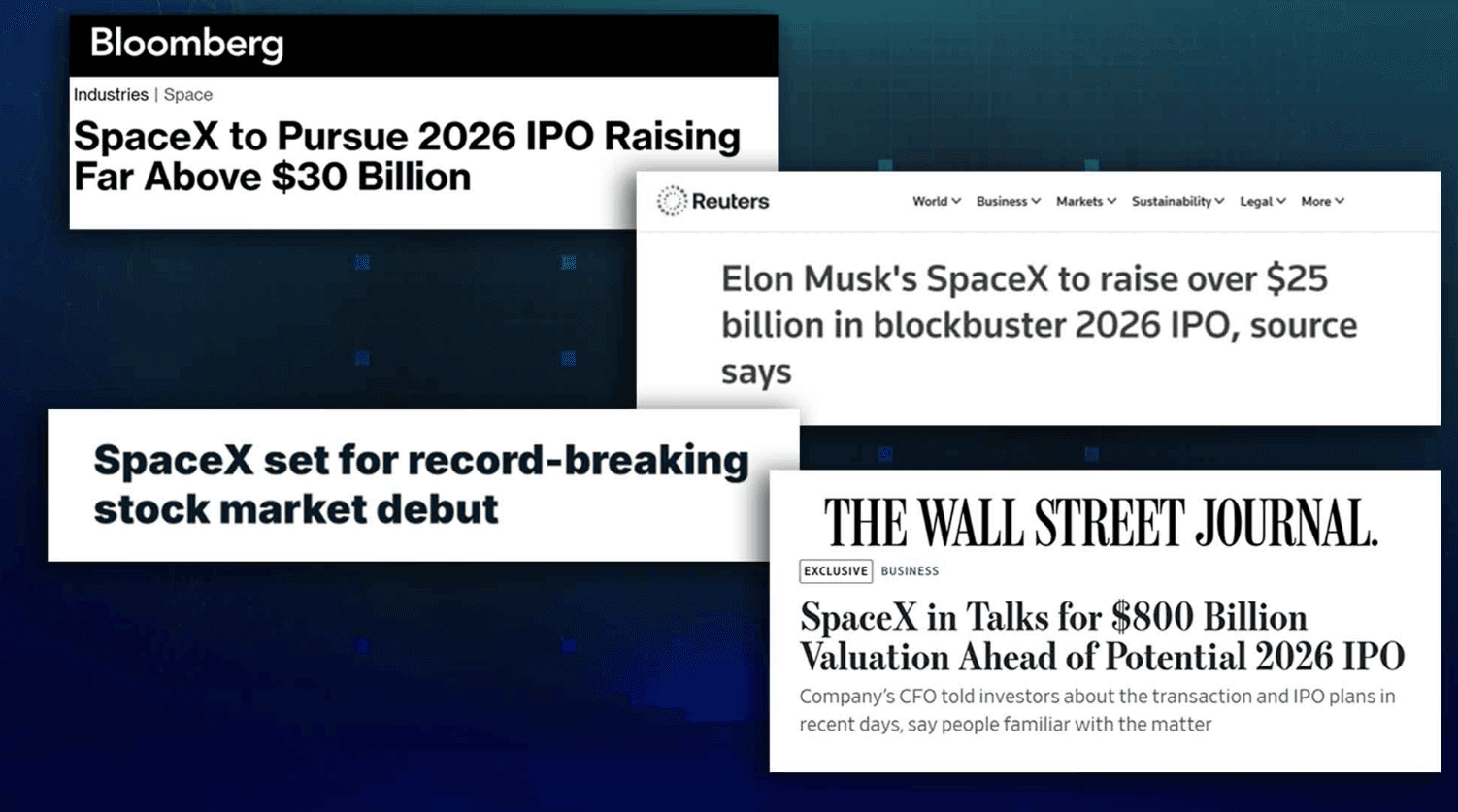
Forbes calls it the biggest IPO in history. CNBC says it's the market event of 2026. Yahoo Finance describes it as the biggest valuation they've ever seen.
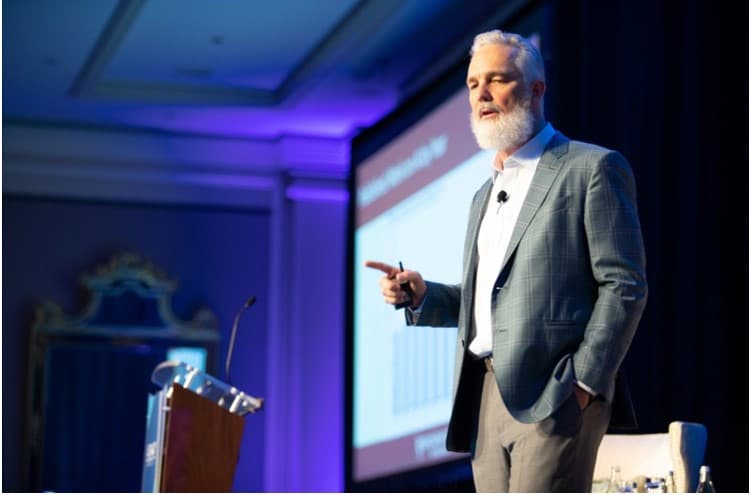
Jeff Brown — a former senior executive at Qualcomm and NXP Semiconductors who identified Bitcoin before its run, Nvidia in 2016, and Tesla early — says most analysts are still valuing SpaceX as a launch company. They're missing the Starlink infrastructure play, the military AI contracts, and the direct-to-cell revolution.
How Everyday Investors Are Getting Positioned
Most people assume they need to wait until IPO day to invest in SpaceX. That's not true.
Brown recently published a free video presentation explaining how everyday Americans can get positioned before SpaceX goes public — starting with as little as $500. No accredited investor status required. No Wall Street connections.
The window between the confidential filing and the public listing is historically when early positioning matters most. Once the S-1 goes public and the IPO date is set, institutional money floods in and the opportunity changes.
Brown's presentation covers his full SpaceX thesis — the Starlink infrastructure dominance, the military AI angle that isn't priced in, the direct-to-cell catalyst, and the specific steps to get positioned.
It's free to watch — for now.