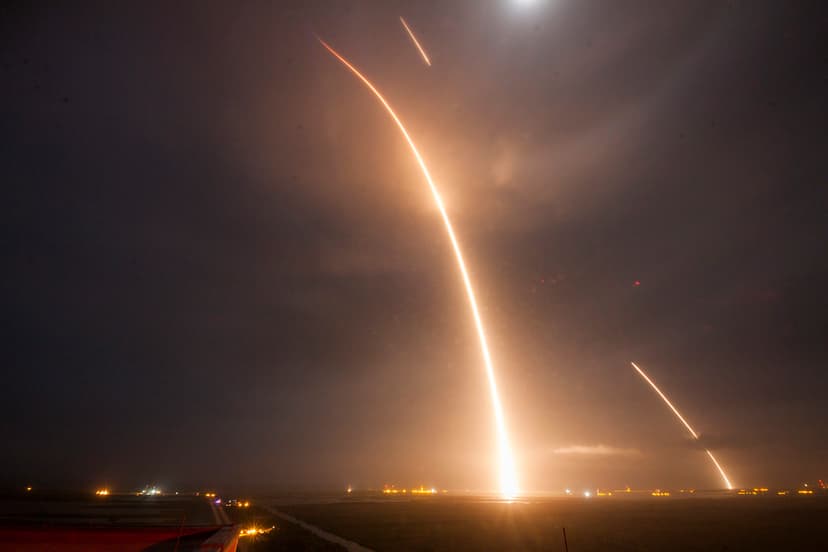
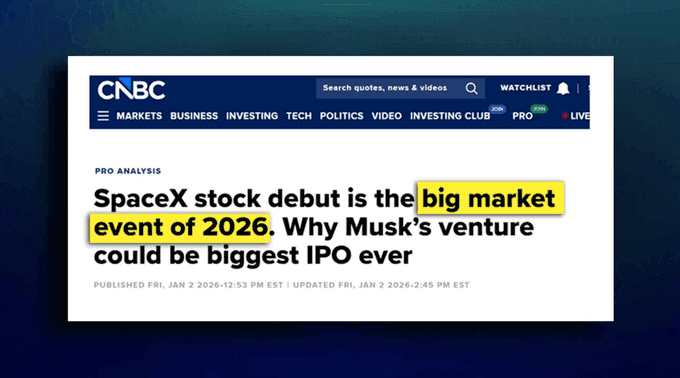
SpaceX just filed its S-1 at a valuation of $1.25 trillion. Goldman Sachs, JPMorgan, and Morgan Stanley are underwriting. Forbes calls it the biggest IPO in market history. The listing could come by June.
A free presentation breaks down what most investors are missing about this IPO — and why even a few hundred dollars, positioned before the listing, could matter more than most people think.
This Isn't a Rocket Company Anymore
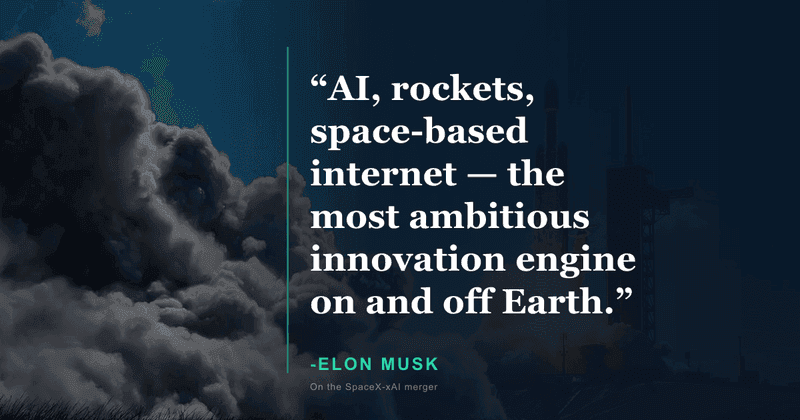
SpaceX merged with xAI, Elon Musk's artificial intelligence company, at $1.25 trillion. Then it filed with the FCC to launch one million orbital AI satellites — each one a data center powered by solar energy.
Wall Street is still pricing this as a launch company. The presentation explains why that's a mistake and what happens when the market corrects it.
What Wall Street Still Gets Wrong
The xAI merger changes the entire thesis. SpaceX isn't just a launch company anymore — it's on a collision course with the biggest cloud computing names on Earth: Amazon, Microsoft, and Google. And it owns the one thing none of them can replicate: the launch capacity to put one million solar-powered data centers into orbit.
The presentation walks through the numbers most investors are missing. What a small share of the $700 billion cloud market would do to a $1.25 trillion valuation. And why cheaper launches give SpaceX an edge no competitor can match.
The launch record is the proof SpaceX can actually build it: 134 orbital launches last year — more than every other nation combined. 84% of all satellite mass delivered to orbit. Revenue of $16 billion in 2025, with $7.5 billion in EBITDA.
When Amazon went public in 1997, Wall Street priced it as an online bookstore. The investors who saw past the category — who understood Amazon was actually building the infrastructure of modern commerce — were positioned before the repricing. A $1,000 stake at the IPO is worth more than $2.5 million today.
SpaceX's S-1 is the same kind of moment. That's why this presentation was put together before the analyst day.
On April 21, SpaceX presents to analysts. The company's private guidance goes public, and the consensus valuation starts to anchor. After that day, Wall Street's models begin to set the market's price — and the window for investors doing their own research ahead of that narrows fast.
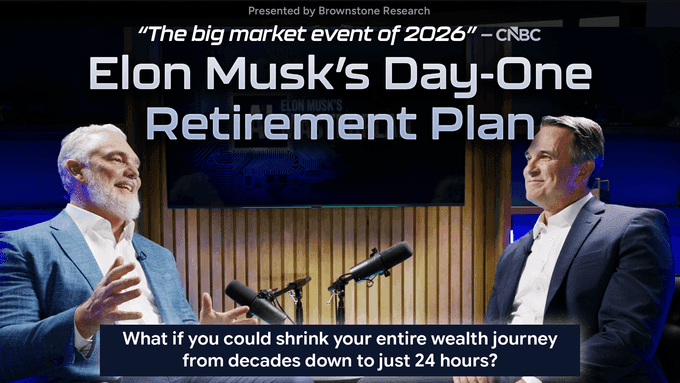
The presentation covers the xAI merger thesis, the valuation math, and what investors should consider before the listing. It's free.