On the evening of April 8, 2012, Kevin Systrom's phone rang.
It was Mark Zuckerberg. He wanted to talk about Instagram — the photo-sharing app Systrom had co-founded just two years earlier with Mike Krieger. The app had 30 million users. It had 13 employees. It had generated zero dollars in revenue.
Zuckerberg invited Systrom to his house.
What happened next took approximately 72 hours. By April 9th, Zuckerberg had made an offer. By April 10th, the deal was done. Facebook would pay $1 billion for Instagram — $300 million in cash and $700 million in Facebook stock.
Thirteen employees. No revenue. One billion dollars. The deal closed in three days.
His First App Failed. He Stripped It Down to One Feature. It Got 25,000 Users on Day One.
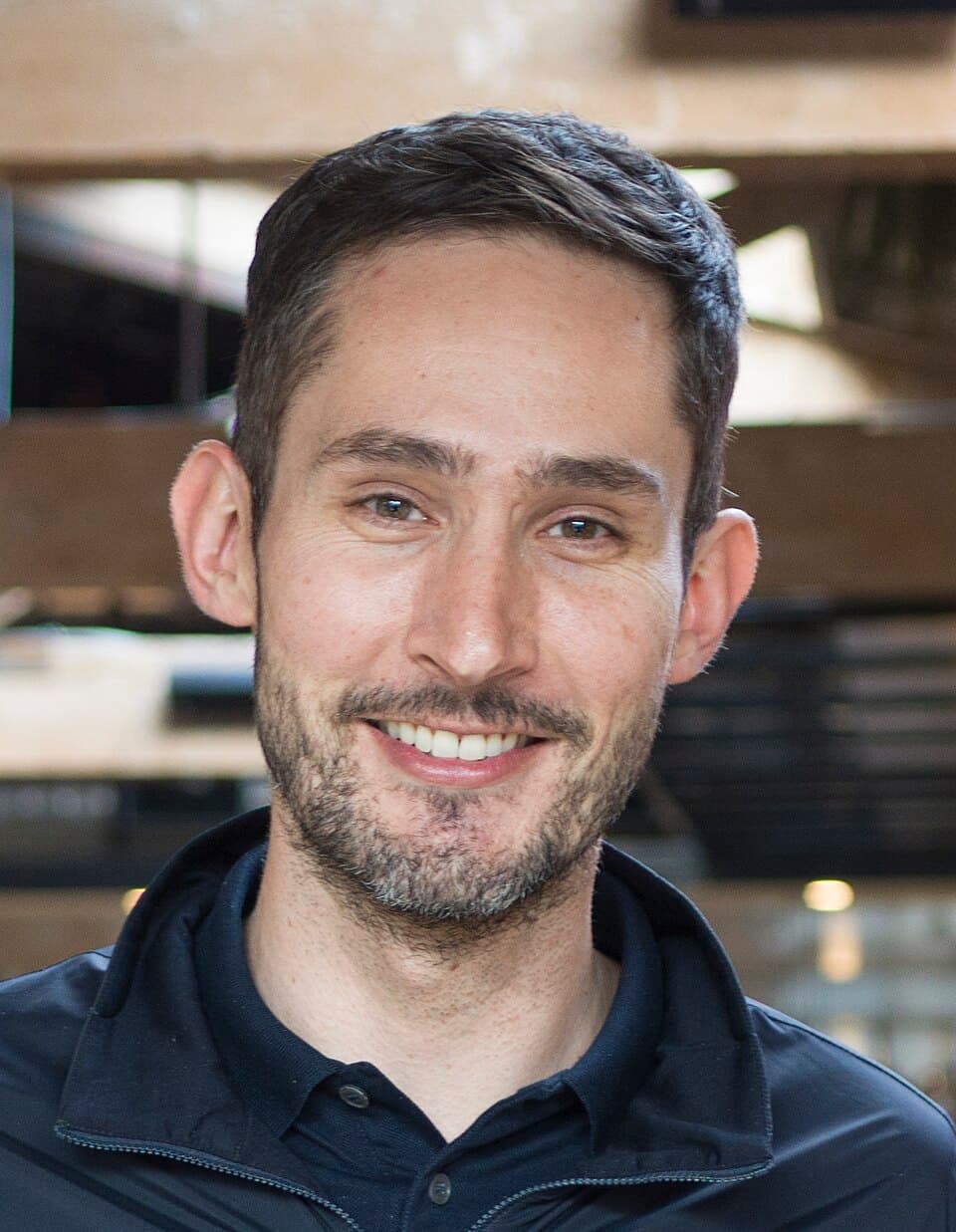
Kevin Systrom wasn't a typical Silicon Valley founder. He studied management science and engineering at Stanford — not computer science. He taught himself to code at night while working as an associate product manager at a travel startup called Nextstop.
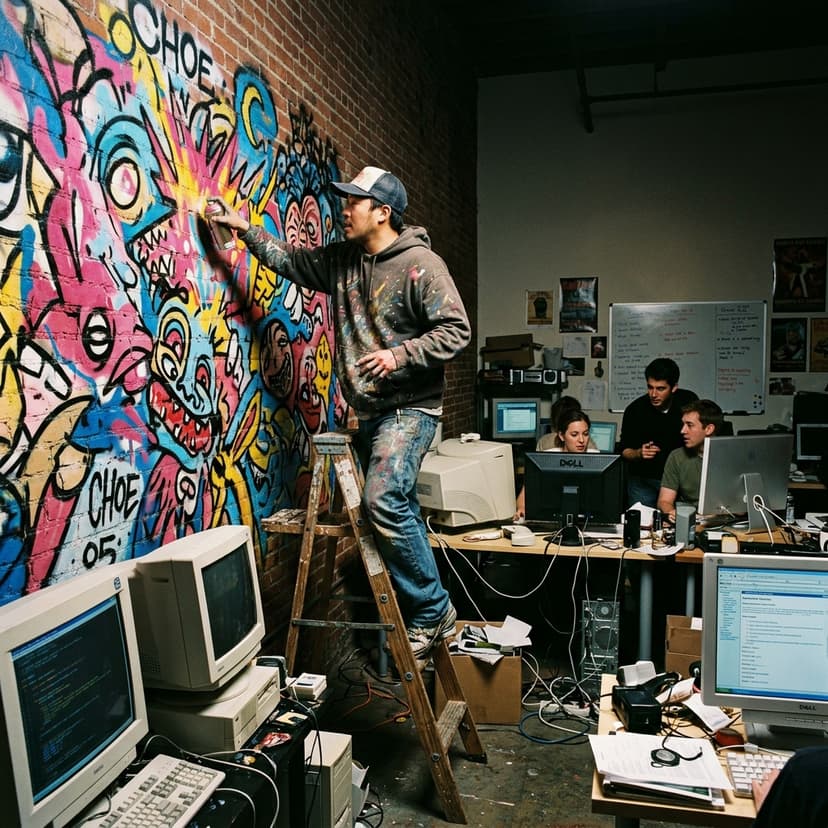
His first app wasn't Instagram. It was called Burbn — a location-sharing service inspired by his love of bourbon. The app had too many features and almost no users. But one feature kept getting traction: photo sharing with filters.
Systrom stripped everything else away. He and Krieger rebuilt the app around that single feature. They launched Instagram on October 6, 2010. It gained 25,000 users on the first day.
“We built Instagram to solve our own problem. We wanted to take a photo, make it beautiful, and share it. That was the whole idea.”
Within two months, they had one million users. Within a year, 10 million. By early 2012, 30 million people were using the app — and Instagram still had a team smaller than most restaurant staffs.
Twitter Offered $500 Million. Zuckerberg Doubled It Over Dinner. The Deal Closed in 72 Hours.
The timing of Zuckerberg's call was not accidental.
Two days before Facebook's offer, Twitter had made a bid of its own: approximately $500 million for Instagram. Systrom informed Zuckerberg. The Facebook CEO responded immediately — not with a counter-offer through lawyers and bankers, but with a dinner invitation.
At Zuckerberg's home, the two discussed what Instagram could become inside Facebook's ecosystem. Zuckerberg offered double Twitter's bid. Systrom accepted.
Systrom's stake was worth approximately $400 million. Krieger's was worth an estimated $100 million. The remaining equity was distributed among the other 11 employees — each of whom became a multi-millionaire from a company that had never earned a single dollar in revenue.
Instagram Now Makes $20 Billion a Year. Those 13 People Saw It Coming — Because They Were Positioned.
The Instagram acquisition is often cited as one of the best deals in technology history — but usually from Facebook's perspective. Today, Instagram generates more than $20 billion in annual revenue for Meta Platforms and has over two billion monthly active users.
But from the perspective of the 13 people who were at Instagram before the acquisition, the story illustrates something else entirely:
Being positioned in the right company, at the right time, before its defining moment, can be transformational — even if the company hasn't generated a dollar in revenue.
Instagram's 13 employees didn't have insider connections. They didn't have wealth. Several were in their twenties, less than two years into their careers. They simply chose to join a small company with a promising idea and accepted equity as part of their compensation.
Secure, Free & No Obligation
Google Created 900 Millionaires. Microsoft Created 12,000. The Pattern Always Repeats.
Instagram's story is not an isolated case. It's part of a pattern that has repeated with remarkable consistency across every major technology event of the past three decades.
Google's 2004 IPO created over 900 millionaires — including a part-time masseuse and a former Grateful Dead touring chef. When Facebook acquired WhatsApp in 2014 for $19 billion, the company had just 55 employees. Early staff members received an estimated $160 million each. Microsoft's 1986 IPO created an estimated 12,000 millionaires.
In every case, regular people — not Wall Street insiders, not inherited wealth — positioned themselves in a technology company before its defining event. And in every case, the wealth created in the days and weeks that followed changed their lives permanently.
The pattern is consistent. The access, until recently, was not.
SpaceX Is About to IPO — and Everyday Investors Can Now Get In Without Working There
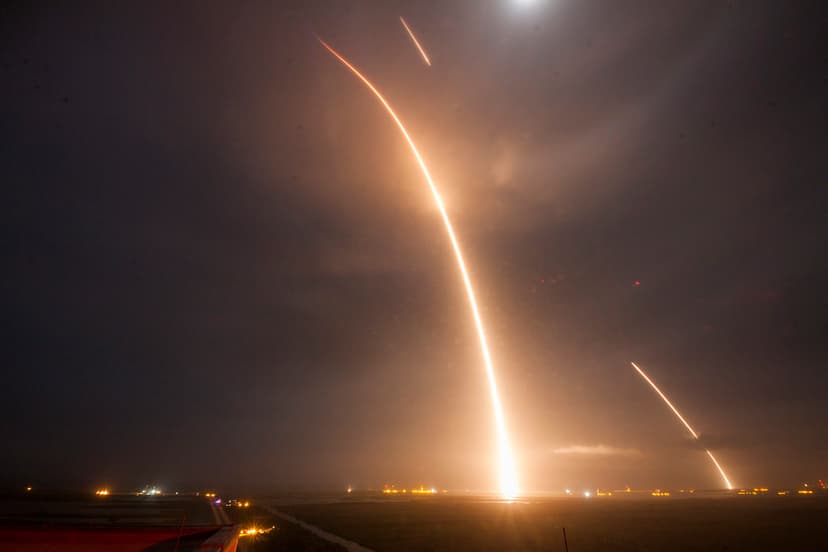
SpaceX is expected to go public this summer at a valuation exceeding $1.5 trillion — what would be the largest IPO in history.
The company completed 165 orbital launches in 2025, controlling 85% of all U.S. orbital flights. Its Starlink division serves over 10 million subscribers and generates approximately $10.4 billion in annual revenue. In January 2026, SpaceX merged with xAI at a combined valuation of $1.25 trillion and filed with the FCC to deploy one million orbital AI satellites.
“SpaceX's market position can only be described as an emergent monopoly.”
Goldman Sachs, JPMorgan Chase, Morgan Stanley, and Bank of America have been selected as underwriters. The confidential S-1 filing with the SEC is expected imminently. Prediction markets assign an 81% probability that the IPO will be announced before August 2026.
Pre-IPO investing used to be reserved for institutional investors and accredited individuals. Most opportunities required minimums of $10,000 or more. If you weren't a Wall Street insider, you were locked out.
That's no longer the case. Jeff Brown has published research showing how regular Americans can position themselves before the SpaceX IPO, starting with as little as $500. No accredited investor status. No connections on Wall Street. The process is as simple as buying any other stock.
Instagram's 13 Employees Had to Work There. You Don't.
That's the difference. Those 13 people got rich because they happened to be employees. There was no other path. If you weren't inside the building, you were locked out.
Now there is another path. No finance degree or Wall Street connections required. The market structure that kept everyday investors on the sidelines during every previous mega-IPO has fundamentally changed.
If you're skeptical — good. Nobody knows whether SpaceX's IPO will create the kind of wealth that Instagram's acquisition created for its 13 employees. Every investment carries risk, and past performance does not predict future results. Pre-IPO positions are less liquid than public stocks.
But the access? That's new. And the window? That's closing.
What Jeff Brown's Free Briefing Covers
Jeff Brown spent over two decades as a senior executive at Qualcomm, NXP Semiconductors, and Juniper Networks — companies generating more than $50 billion in combined annual revenue.
Brown recently published a free video presentation covering his complete SpaceX research — what most analysts are missing, how everyday investors can position, and the risks.
Brown publishes his ongoing research through The Near Future Report.
The S-1 Could Drop This Month. Instagram's Story Took 72 Hours. Yours Starts Now.
The presentation is free — for now. Once the S-1 is filed, the window closes. That filing could come any day.