Seven stocks control more than 30% of the entire S&P 500.
Apple. Microsoft. NVIDIA. Amazon. Meta. Tesla. Google. Combined market cap: over $20 trillion. That's more than a third of the value of the entire index — in just seven companies.
This level of concentration hasn't been seen in modern market history. And a man who has spent 40 years following the movement of capital says it's about to break.
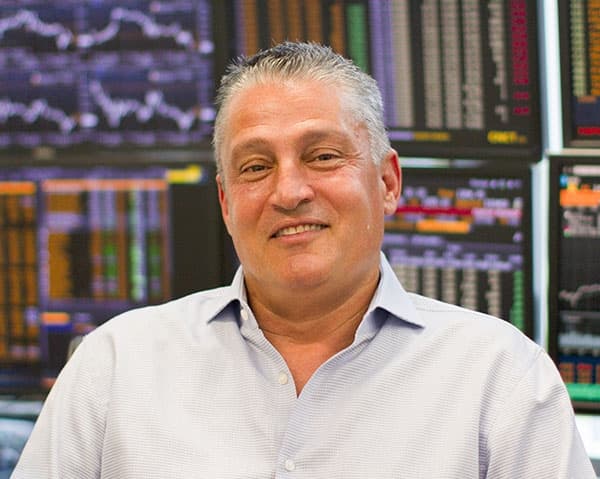
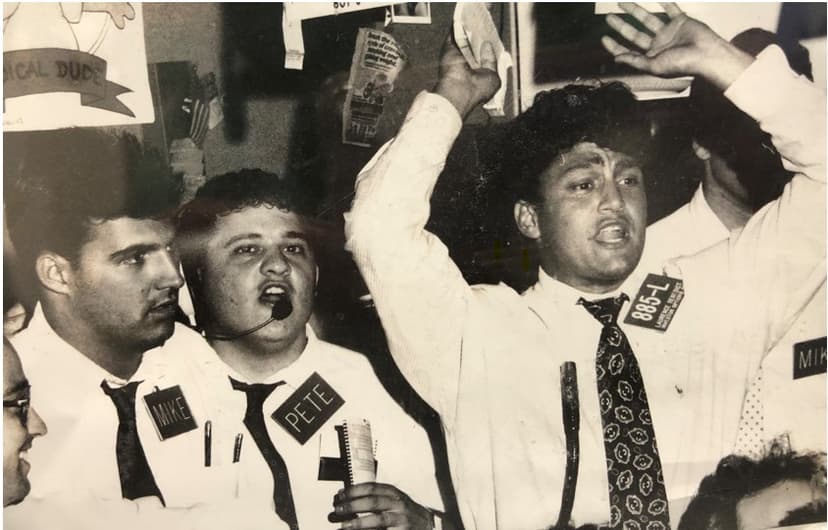
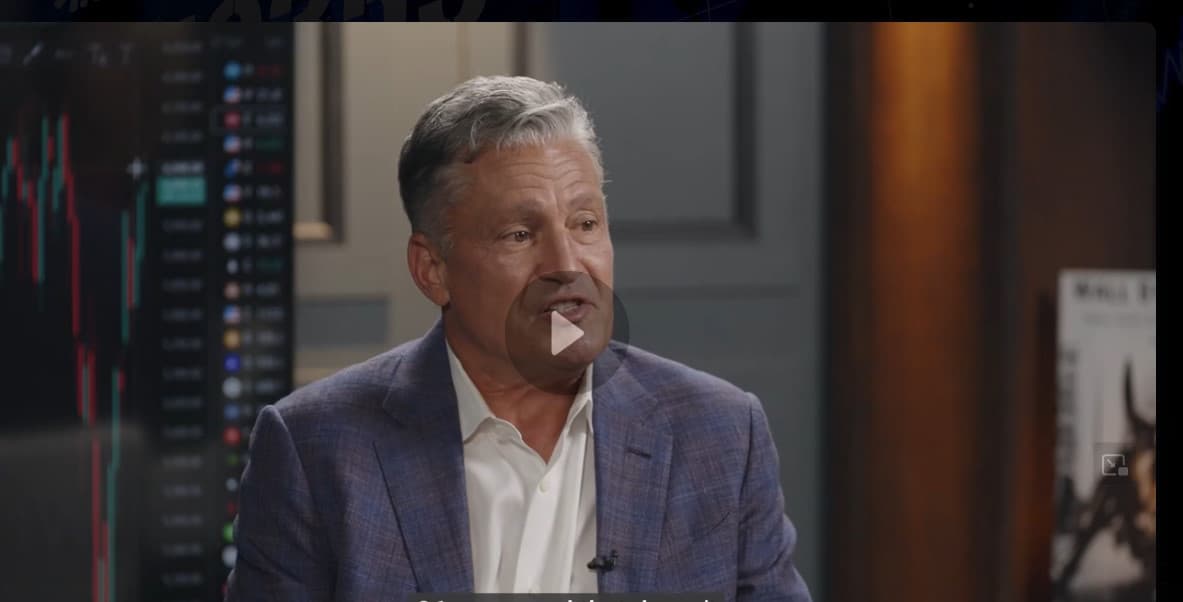
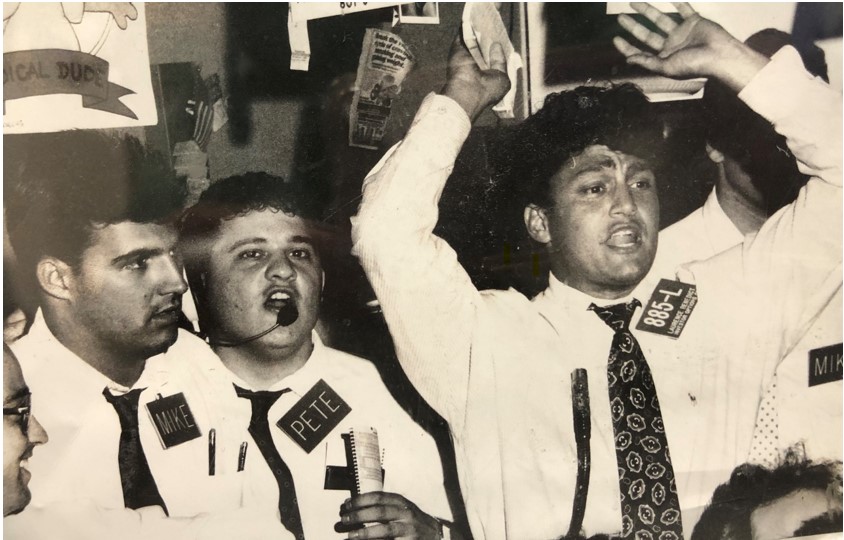
His name is Larry Benedict. He ran a hedge fund for over two decades. He achieved 20 consecutive winning years — spanning four different presidents. He made $95 million for his clients during the 2008 crash while the S&P fell 37%. Jack Schwager featured him in the Market Wizards series alongside Ray Dalio and Joel Greenblatt.
And he says the biggest wealth transfer in market history is starting right now.
The Money Never Disappears. It Just Moves.
This is the principle that has defined Benedict's entire career.
During the dot-com crash, the Nasdaq fell 78%. Most investors lost a fortune. But Benedict's fund profited — because while tech collapsed, money was flowing into utilities and healthcare. Both climbed 35%.
During the 2008 financial crisis, while banks collapsed and the S&P fell 37%, discount retailers like Dollar Tree surged over 60%. Walmart posted record sales. Government bonds returned over 14%. Benedict positioned his clients on the winning side and made $95 million that year.
During COVID, while airlines and hotels were decimated, Zoom rose over 100% and Moderna gained over 450%. Benedict made $2 million in a single month.
“In every major disruption, money moves from losers to winners. My job is to see it happening and position on the winning side.”
The pattern has repeated in every major market event for the last 40 years. The money never disappears. It moves from one side of the market to the other. And the people who understand where it's going make fortunes — while everyone else watches their portfolios shrink.
Why 2026 Could Be the Biggest Transfer Yet
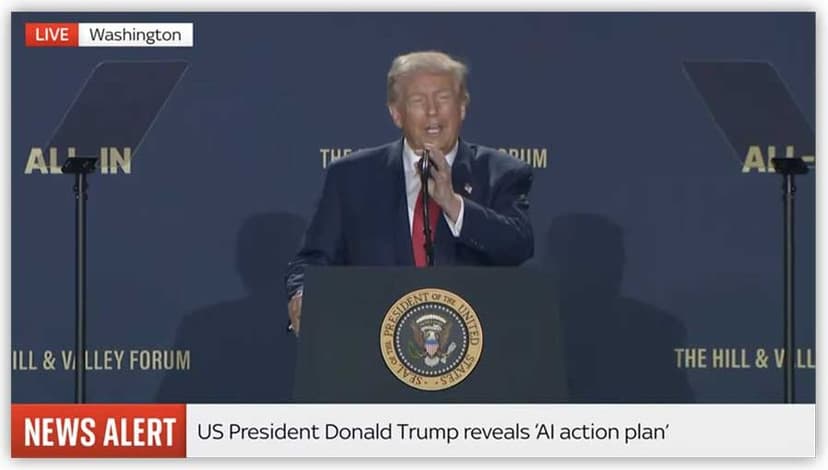
In 2025, policy decisions from Washington moved markets in ways that hadn't been seen before. A single announcement in April triggered the fastest 10% drawdown in recent memory. Over $2 trillion was wiped from the markets in a single day.
But Benedict says that was a warm-up.
New policy tools are now being deployed that allow entire sectors to be targeted with minimal warning. Semiconductors one week. Pharmaceuticals the next. Rare metals after that. Each announcement creates a sudden flow of capital — money rushing out of affected sectors and into safe havens and beneficiaries.
Benedict positioned his readers through every major disruption in 2025. The results: a 279% return on cash, compared to the S&P 500's 15% gain. He went 13-for-13 in the first quarter alone after the election — not a single losing trade.
The Magnificent Seven Problem
Here's why Benedict believes the next transfer will be the biggest.
The Magnificent Seven stocks — Apple, Microsoft, NVIDIA, Amazon, Meta, Tesla, Google — have dominated the market for years. Government policy backed AI as a national priority. Billions in contracts flowed to American tech companies. These seven stocks captured most of the gains.
But at over $20 trillion in combined market cap, representing more than 30% of the entire S&P 500, they've reached a point where continued growth at the same rate is mathematically difficult. The higher they go, the harder it is to keep going higher.
Meanwhile, 493 other companies in the S&P 500 have been largely left behind. Many of them are profitable, growing businesses that simply haven't had the spotlight.
When capital starts rotating out of seven overweight stocks and into 493 underweight ones, the opportunity is enormous. It's a wealth transfer — from concentrated winners to a broad field of emerging opportunities.
Benedict believes this rotation has already started. And he's identified the single ticker positioned to capture the entire move.
The One Ticker at the Center of the Transfer
Benedict doesn't spread himself across dozens of stocks. He finds the one opportunity at the center of each market disruption, trades it multiple times as the situation develops, then moves on.
He calls it "One Ticker Trading." It's the approach that delivered $274 million in profits for his hedge fund clients between 2004 and 2012. It's how he went 13-for-13 after the election. And it's how he plans to play 2026.
When the April tariff crash hit in 2025, he didn't try to pick individual winners. He zeroed in on QQQ — the fund that tracks the Nasdaq — and recommended options trades that returned nearly 60% in a single day. Then two more winning trades on the same ticker in the same week.
For the coming wealth transfer, he's identified a specific ticker that sits at the intersection of where money is leaving and where it's going. He's sharing the name and ticker — along with exactly how to play it — in a free briefing.
His Complete 2026 Playbook Is Available for $19
For decades, Benedict's research was reserved for hedge fund clients with a million-dollar minimum. Today, he's making the same playbook available through a service called One Ticker Trader — for $19 a year.
Here's what you get:
- His #1 play for 2026 — the specific ticker positioned at the center of the wealth transfer, with a full breakdown and step-by-step instructions
- Trade alerts — exact ticker, exact price, when to buy, when to sell. No guessing. Sent straight to your inbox.
- A beginner's guide to options — plain English, screenshots, everything you need to get started even if you've never traded an option
- Monthly research issues — where money is moving, which sectors are being targeted next, and how to position ahead of it
- 30-day money-back guarantee — not satisfied? Full refund, keep everything
The last time the market faced this kind of disruption, Benedict made $95 million for his clients while everyone else was losing their savings.
The question is whether you'll be on the right side of this transfer — or the wrong one.